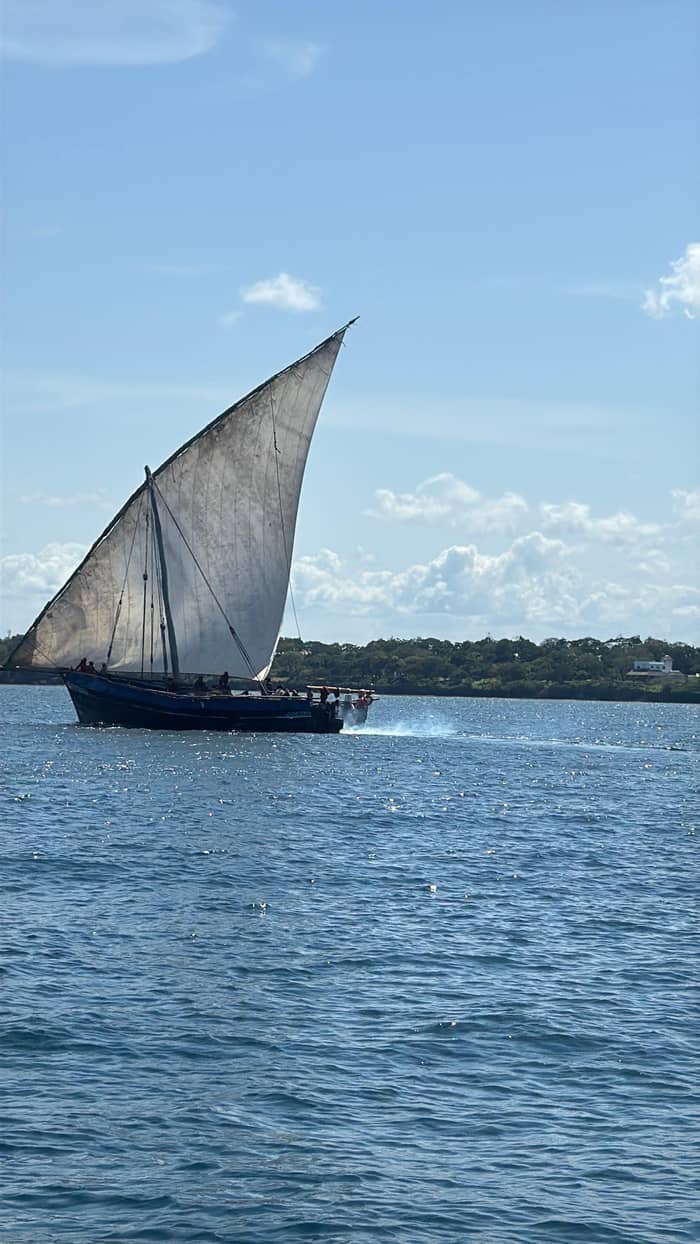
Shared
The home day from Diani
Gear provided
- GearSnorkeling gear provided
- Length9 hours
- Fromfrom $92
Tick-off checklist
Wasini Island dhow day from Diani
★ 4.6 · 466 opinions
Fast answer
A Wasini day trip needs swimwear, sun cover, water in a reusable bottle, shoes for the boardwalk and modest clothes for the village.
Packing in brief
List of 11 items
Tick off each point as you complete it. This device keeps your progress.
0 / 11 ready
Everything is ready. Only your date and your pickup point are left to choose.
Book your seatA packing list built from the park's own visitor tips, the listing notes and the village rules, with what the operator supplies and what costs extra on the day.
Editorial team, wasiniislandtour.quest · Updated November 24, 2026 · 8 min of reading
Basics
A packing list for a Wasini island day trip starts with what you do not need to carry. The home listing says snorkeling gear is provided and that the day includes a Swahili-style lunch on Wasini Island with a vegetarian option. Its highlights add free photos and videos of the day. A shared day from Diani says masks and snorkels are provided and a certified guide helps first-timers. Read your own listing for the same lines before you buy any gear.
What stays with you is the personal kit. The park's visitor tips name a camera, binoculars, snorkeling gear, sunscreen, insect repellent, a first aid kit, sunglasses, drinking water and appropriate beach wear.1 The home listing's own notes are shorter: a hat, a camera, a towel, swimwear, sunscreen and sandals or water shoes. Together the lists give you a core bag that fits under a dhow bench.
A Wasini day trip is a long day with different needs on the water and on land. The 9 hours of the home trip include a dhow cruise of about 1 hour, a snorkeling stop, lunch and a village walk. That mix is why the bag needs a swimming layer, a dry layer and a cover-up. Pack in that order, with the things you want first at the top, and keep the bag light enough to carry along a wet jetty and over the steps of a beach restaurant.
The list
| Item | Why it matters | Source |
|---|---|---|
| Swimwear and towel | For the snorkeling stop | Home listing notes |
| Hat and sunscreen | Strong sun on the water | Tourism board4 |
| Water shoes or flip-flops | Boat, beach and boardwalk | Home listing notes |
| Refillable bottle | Single-use plastic is banned | Park rules2 |
| Light shirt and wrap | Suitable dress in the village | Island operator3 |
| Insect repellent and first aid | Basic health kit | Park visitor tips1 |
Each row names the page that states it, and the listing price of $92 is a starting price.
Start with swimwear under your clothes, so you can slip into the sea when the dhow stops. Add a hat, since the home listing's notes ask for one, and flip-flops or water shoes, which suit both the boat and the beach. A day from Diani with a 75-minute van each way adds comfortable shoes for walking, sunscreen, a hat, swimwear and a camera. Two pairs of footwear are sensible: one for the water and one for the walk.
The village needs a different layer. Island hosts expect modest dress, and one operator calls the village strongly Muslim and asks guests to dress suitably.3 A light shirt that covers the shoulders and a wrap or trousers that cover the knees do the job and weigh almost nothing. Put them in a dry bag so that they are dry when you reach the jetty on Wasini and ready for the coral garden boardwalk.
Footwear deserves a second thought for the boardwalk and for lunch. On one Diani day the tide at lunch decides whether the way to the cliff-top restaurant is a bush path of about 10 minutes or just a few steps. Sandals or shoes that grip when wet are the best compromise. Leave leather shoes, heels and anything you would hate to see salted at the hotel.
Temperature and rain
Mid-month hours with no sun, and days when precipitation reaches 2.5 mm or above. Source: NOAA, station Mombasa airport station, 74.9 km north of the marine park at 55 m, 1991 to 2020 + 1971 - 2020.6
The sun on the water is strong. The tourism board's page for the park tells visitors not to forget sunscreen and a camera, and the park's own list adds sunglasses and drinking water.4,1 A hat shades your face on the dhow, and a thin long-sleeved shirt protects shoulders during the long snorkeling stop. Apply sunscreen before you board, and again after the first swim.
Water needs more thought than it seems. The park rules say that national parks are plastic-free and that single-use plastic is prohibited.2 The home listing makes the same point and asks for no disposable plastic bottles inside the marine park. A refillable bottle filled at the hotel solves it, and a second one for the afternoon is a good idea if your day is long.
Please take everything back with you. The park rules also say visitors should carry out all of their trash, and they prohibit feeding wildlife.8,9 The same rules set a minimum viewing distance of 20 meters for wildlife.10 Bring a small bag for wrappers and a sandwich bag for your own litter, and keep food away from the rail where gulls and fish can reach it.
Pack for you
Tap your situation and the item that answers it sits beside it.
If I burn easily
A hat and long sleeves
The park's list names sunscreen and sunglasses, and the home listing a hat.1
If I am not a strong swimmer
Tell the crew first
The home listing wants children to swim, and an operator helps non-swimmers.5
If I am travelling in the wet months
A thin waterproof layer
May averages 284 mm of rain over 14 wet days on the Mombasa record.6
If I want to fly a drone
Check the licence and fee
Non-residents pay $300 per drone per day, plus a licence.7
If I am staying in Mombasa
Pack breakfast for an early pickup
One listing picks up from Mombasa hotels from 5:30 AM.
Three days, three kits
Shared
Gear provided
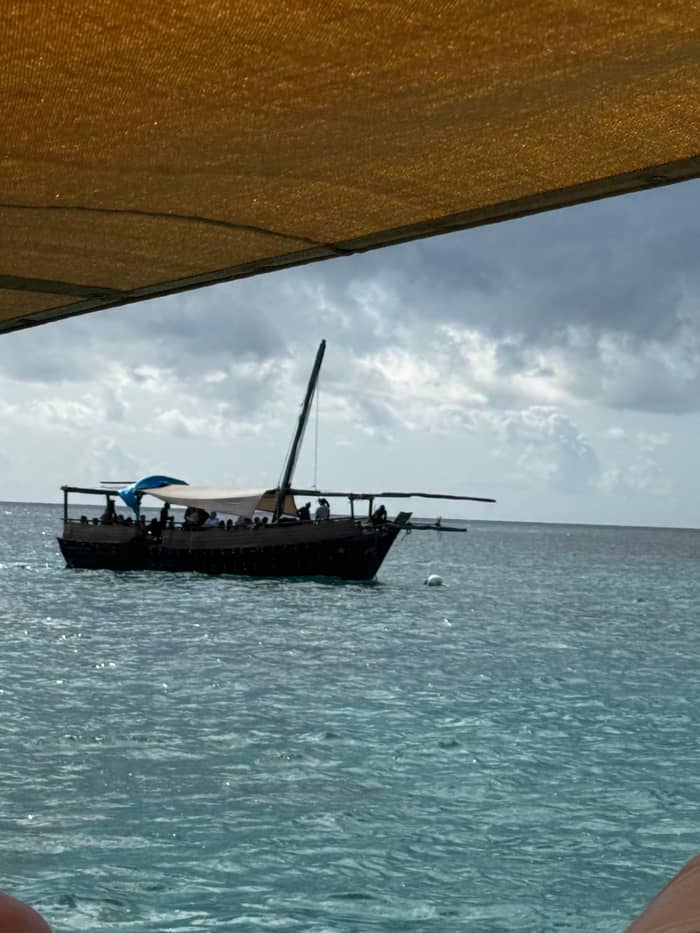
Shared
Walking shoes advised
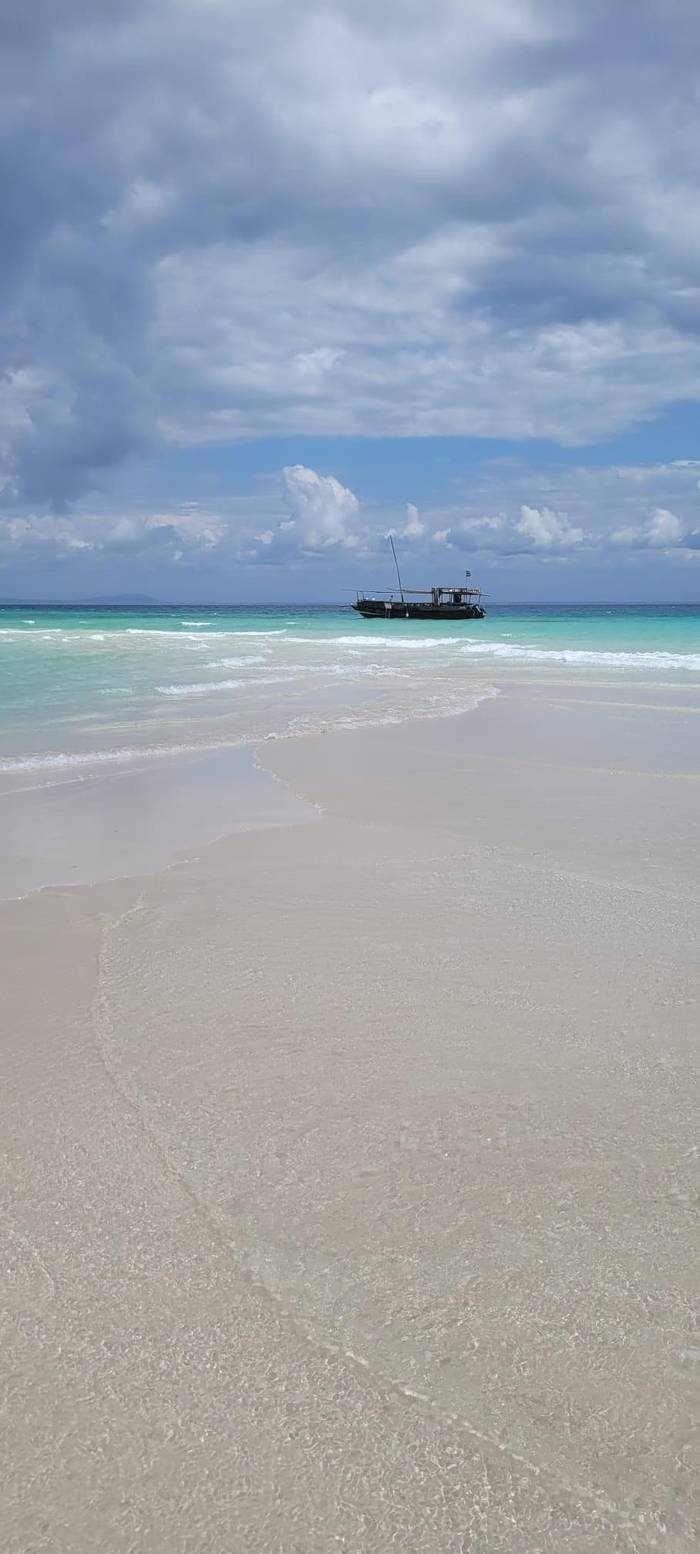
Private
Meals included
Cash matters because extras are common. The home listing says crab and lobster cost extra, and a private Mombasa cruise lists scuba as an extra to settle in cash on the day. A Diani day lists a pickup from Mombasa Town, Nyali, Shanzu, Mtwapa and Bamburi that costs $10 extra per person. I found no published list of cash machines on the island, so carry cash in small notes.
The park's fee is separate in some listings. The Kenya Wildlife Service's park page, backed by its October 2025 fee schedule, puts entry at $25 for an adult from abroad and $15 for a child from abroad, and its fee schedule waives the charge for children of five years and under.11,12 Ask whether your booking includes it, so that you neither pay twice nor arrive at the jetty without it. Residents and African citizens pay different rates on the same card.13,14
Cameras are welcome, drones are not simple. The park's visitor tips list a camera and binoculars.1 Flying a drone in the park costs $300 per drone per day for non-residents, and the schedule demands a licence from Kenya's civil aviation authority.7 Most people will leave the drone at home and use a waterproof phone pouch instead. Keep phones and passports in a dry bag, away from the spray.
Compare the days
Enter the headcount to see what each of these trips costs, then pack for the one you choose.
3 options compared
Enter the headcount to see what each of these trips costs, then pack for the one you choose.
≈
View≈
View≈
ViewFigures are GetYourGuide from-prices, translated at the ECB reference rate. The booking step shows what you pay exactly.
The packing day
Night before
Pack swimwear, a towel, a hat, sunscreen and water shoes from the listing notes.
Early morning
Fill a refillable bottle, as single-use plastic is banned.2
On the dhow
Put on sunscreen before the cruise of about 1 hour.
On the island
Wear suitable clothing for the village walk.3
At the jetty
Crab and lobster cost extra, so settle the bill before you leave.
Start with the practical medical question. The American public-health agency CDC advises people heading to some parts of Kenya to use prescription medicine against malaria, so ask a doctor about your route before you travel.15 The park's visitor tips add insect repellent and a first aid kit, which cost little and are easy to forget.1 I will not give medical advice beyond those two sources.
Swimming ability is the second question. Children need to be able to swim to snorkel, says the home listing, and it warns that limited mobility, severe back pain or a fear of the open sea make the day a poor choice. A Mombasa dhow listing says basic swimming skills help but are not required, and an island operator offers assistance to non-swimmers.5 Tell the crew about your level in the morning, not in the water.
Sea comfort is the third. Two listings, one from Diani and one from Mombasa, warn that the boat ride may not suit people prone to seasickness. I found no official guidance on it, so use ordinary judgment: eat lightly, stay on deck where the air moves and watch the far shore. A Mombasa listing says the day depends on weather, with a refund in full, or another date, when the operator cancels. If boats make you queasy, ask your pharmacist before the trip.
Video
This Food Bangz on YouTube · Video data is requested only when you tap play.
National parks are plastic-free. Single-use plastic is prohibited.
The coast changes with the months, and the packing list shifts with it. The nearest long climate record comes from Mombasa, 74.9 km up the coast, and daily highs average 32.9 °C in February, with 10 mm of rain in the month.6 Light cotton and a hat are the right choice then, with more sun protection than clothing, and a dry shirt for the trip back after a long day in salt water.
The wet months call for a layer. May on the same record averages a daily high of 29.5 °C, with 14 wet days and 284 mm of rain in total.6 In July the average daily low is 20.1 °C, which makes the early morning on the dhow feel cooler than the shore.6 A thin waterproof jacket and a dry bag for phones weigh little and save the day when a shower arrives, and a plastic sleeve for the booking confirmation keeps it readable if the deck gets wet.
Crowds follow the calendar too. In the county's own terms December is the busiest month, January to March and July to August are high season, and May to June is quiet.16 Whales are a seasonal bonus, since the factsheet puts humpback calving and nursing here from July to October.17 The weather decides the sea, so pack for the month you chose and book with free cancellation.
Leave the valuables first. A dhow day has wet decks and a village walk, and there is little reason to carry a passport original, spare cards or jewelry. A copy of the passport page and one card are enough. Put the rest in the hotel safe, and tell the hotel when you will be back, since the home day lasts 9 hours. A key card, a room number written on paper and a hotel phone number in your pocket are enough for a day away, and they stay dry in a zip bag.
Leave single-use plastic, which the park prohibits, and leave the drone unless you have a licence and the fee.2,7 Leave leather shoes, heavy bags and anything that cannot get wet. Leave binoculars at home if you do not use them often, though the park lists them among its suggested items for a visit.1 A spare charged power bank is lighter than binoculars and does more for a long day of photographs, and it fits in the same small bag.
Finally, leave your expectations loose. The trip depends on tide and weather, and the home listing warns that a high tide can hide the sandbank. A good day is a flexible one. Pack well, ask your crew what the plan is, and let the sea set the pace. That attitude does more for a Wasini island day tour than any piece of kit, and it keeps the long ride back to the hotel pleasant for everyone in the van.
FAQ
The home notes list a camera, a hat, sunscreen, a towel, swimwear and water shoes.
The listing says the gear is provided.
The park rules say national parks are plastic-free.2
Non-residents pay $300 per drone per day, plus a licence.7
An island operator describes a strongly Muslim village and asks for suitable dress.3
Children of five years and under are waived.12
The CDC recommends prescription medicine for travelers to certain areas of Kenya.15
Sources
Planning a dhow day to Wasini? Ask a real person here.